TT Club, and BSI Consulting, a strategic supply chain risk adviser, have released a new report in partnership with TVM exposing the escalating threat of cargo crime across the Benelux region, a critical hub for international logistics and home to Europe’s two busiest ports
The 2026 Freight Crime Report reveals that criminals are increasingly using advanced tactics including artificial intelligence-generated credentials, forged documents and fake carrier fraud to infiltrate supply chains. Globally, 76 per cent of cargo thefts involve trucks, with 21 per cent being hijackings and 20 per cent involving theft of entire vehicles.

The report, which was released today, highlights how organised crime groups are leveraging technology to identify weaknesses in logistics operations. AI-powered deepfake identities and automated phishing campaigns enable criminals to impersonate legitimate carriers, while insider collusion provides critical information about routes and security protocols.
Traditional “slash and grab” thefts from soft-sided trailers remain common, but the research identifies a concerning shift towards strategic, pre-planned operations. Fake carrier fraud has emerged as a particularly pressing challenge, with criminals exploiting freight exchanges and subcontracting arrangements to insert themselves into supply chains.
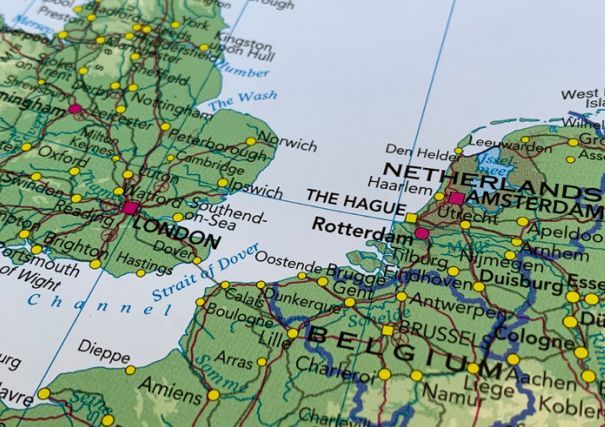
The Port of Antwerp-Bruges and Port of Rotterdam are identified as major hotspots for these types of crimes, with highways including the E19, E17, A67 and A2 experiencing elevated theft rates, particularly at unsecured rest areas.
The report also spotlights successful interventions, including the Netherlands’ Transport Facilitated Organised Crime (TFOC) programme, which has achieved over 250 seizures through intelligence sharing between law enforcement and the private sector.
Josh Finch, Logistics Risk Manager at TT Club, said: “The sophistication of cargo crime in Benelux has reached unprecedented levels. Criminals are no longer simply opportunistic thieves – they’re organised networks using cutting-edge technology to deceive legitimate businesses. Our report provides logistics operators with the intelligence and practical measures needed to protect their operations and close vulnerabilities before criminals exploit them.”
Johan Hemmen, Manager Prevention and Risk Management at TVM, added: “What we’re seeing is a fundamental shift in how cargo crime operates. The chronic shortage of secure parking infrastructure, combined with criminals’ use of AI and digital fraud, creates a perfect storm. However, through proper vetting of subcontractors, end-to-end communication protocols and international collaboration, we can significantly reduce these risks. The success of programmes like TFOC demonstrates that when industry and law enforcement work together, we can fight back effectively.”
The report concludes with comprehensive security measures including thorough vetting of transportation partners, limiting use of freight exchanges, implementing seven-point container inspections, and ensuring robust communication between all supply chain stakeholders.
To read the full report, click here: Freight Crime in Benelux Supply Chains
Visit our NEWS page for more industry updates